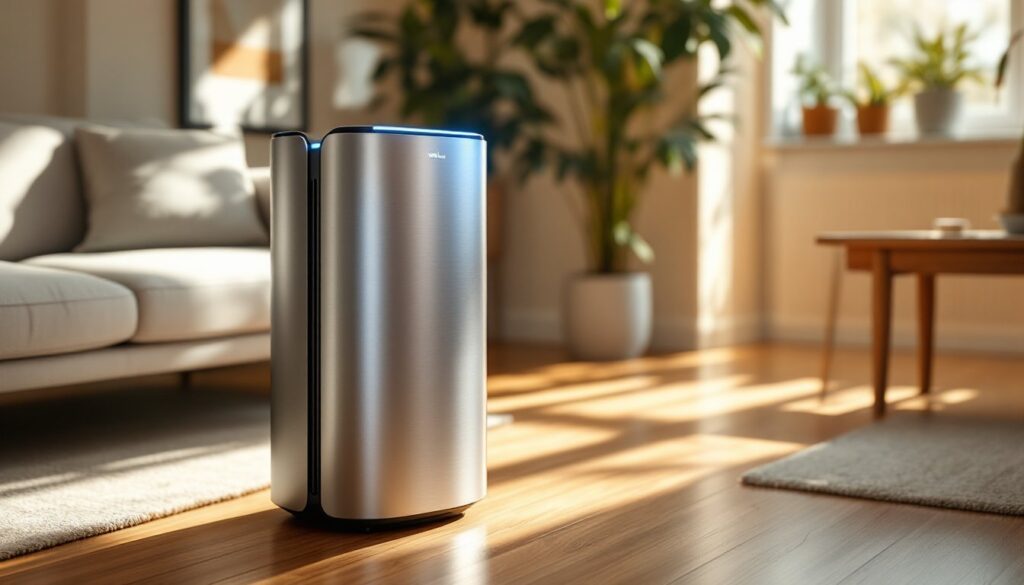
Air purifiers have become a fixture in homes dealing with allergies, pet dander, wildfire smoke, or general indoor air quality concerns. But not all purifiers are created equal. Intellipure positions itself at the premium end of the market, claiming medical-grade filtration that captures particles down to microscopic sizes. The price tag reflects that positioning, expect to pay significantly more than a typical HEPA unit. For homeowners weighing whether this investment makes sense, the question isn’t just about clean air, it’s about whether Intellipure’s technology delivers measurably better results than a solid mid-range alternative.
Table of Contents
ToggleKey Takeaways
- Intellipure air purifiers use proprietary DFS technology to capture ultrafine particles as small as 0.007 microns, about 40 times smaller than standard HEPA filters can trap.
- Filters last up to three years compared to 6–12 months for typical HEPA systems, reducing long-term maintenance costs despite higher upfront filter prices.
- The Intellipure Compact suits bedrooms and small spaces (up to 500 sq. ft.), while the Ultrafine 468 is ideal for large living areas, and the MultiGas handles heavy chemical exposure.
- An Intellipure air purifier costs significantly more upfront ($600–$1,400) than mid-range alternatives, but lower annual operating costs ($80–$135/year) can offset the premium over a 10-year lifespan.
- Intellipure’s metal construction, antimicrobial filter layer, and lack of ionizers eliminate ozone concerns, making it ideal for homeowners with respiratory sensitivities.
- This investment is most worthwhile for homes near wildfire zones, with chronic allergy sufferers, new construction off-gassing, or serious air quality challenges requiring medical-grade performance.
What Makes Intellipure Air Purifiers Different?
Most consumer air purifiers rely on True HEPA filters, which capture 99.97% of particles 0.3 microns or larger. Intellipure goes a step further with its proprietary DFS (Disinfecting Filtration System) technology, which the company claims captures ultrafine particles as small as 0.007 microns, about 40 times smaller than what standard HEPA can trap.
The DFS system uses an electrostatic charge to attract and hold particles within the filter media, rather than just relying on mechanical filtration alone. This allows for higher airflow with less resistance, meaning the unit doesn’t have to work as hard to move air through the filter. Intellipure also avoids UV-C lights and ionizers, which can produce ozone as a byproduct, a concern for anyone with respiratory sensitivities.
Another differentiator: Intellipure units are designed for 24/7 operation and are marketed to commercial environments like hospitals and dental offices. The home models share that same filtration backbone, which is why they carry certifications from organizations like the California Air Resources Board (CARB) for ozone safety.
Key Features and Technology Behind Intellipure
The DFS filter combines three stages:
- Pre-filter: Captures larger particles like dust, lint, and pet hair before they reach the main filter.
- Electrostatic media: Uses a passive charge to attract ultrafine particles, including bacteria, viruses, mold spores, and volatile organic compounds (VOCs).
- Antimicrobial layer: Inhibits microbial growth on the filter surface, which helps prevent the filter itself from becoming a secondary pollutant source.
Intellipure units are built with metal housings instead of plastic, which adds durability and eliminates the off-gassing concerns sometimes associated with cheaper purifiers. The fan motors are rated for continuous operation and designed to be quieter than typical units at the same CFM (cubic feet per minute) output.
One standout feature: the filters don’t need replacement as often as HEPA units. Depending on the model and usage, filters can last up to three years, compared to 6–12 months for most HEPA systems. That’s a real cost saver over time, though the upfront filter replacement cost is higher.
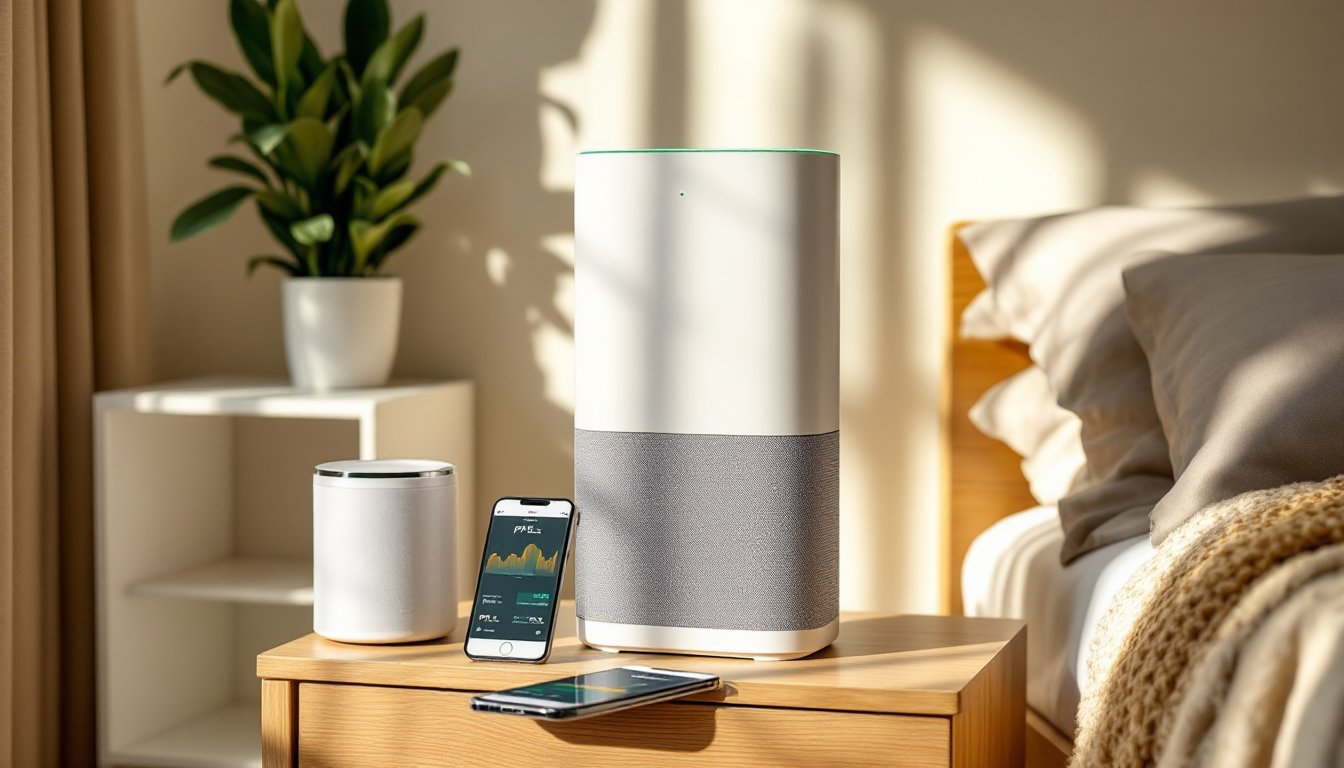
The units also include air quality sensors that automatically adjust fan speed based on detected particle levels. There’s no app or Wi-Fi connectivity, Intellipure keeps it analog with physical controls and LED indicators, which some users prefer for reliability.
Intellipure Models Compared: Which One Fits Your Space?
Intellipure offers several models, each sized for different square footage. Here’s the breakdown:
Intellipure Compact:
- Coverage: Up to 500 sq. ft.
- Ideal for: Bedrooms, home offices, nurseries
- Noise level: 30–58 dB (whisper-quiet on low)
- Weight: Approximately 14 lbs
Intellipure Ultrafine 468:
- Coverage: Up to 1,200 sq. ft.
- Ideal for: Master bedrooms, large living rooms, open-concept spaces
- Noise level: 32–62 dB
- Weight: Approximately 27 lbs
Intellipure GC MultiGas:
- Coverage: Up to 1,600 sq. ft.
- Ideal for: Homes with heavy VOC exposure (new construction, fresh paint, off-gassing furniture)
- Features: Enhanced carbon media for chemical removal
- Weight: Approximately 35 lbs
All models pull 120V AC and can handle continuous operation. The Compact is portable enough to move room-to-room, while the 468 and MultiGas are better suited as stationary units.
If your main concern is allergens and particulates, the 468 is the workhorse. If you’re dealing with smoke, formaldehyde, or chemical odors, the MultiGas is worth the upgrade. The Compact works well for targeted spaces but won’t keep up in larger or high-traffic areas. Homes comparing compact purifiers for bedroom use often find the Compact balances performance and footprint.
Performance and Real-World Benefits for Homeowners
In testing environments, Intellipure units consistently remove airborne particles faster than standard HEPA purifiers, especially in the sub-1-micron range. For homeowners, that translates to noticeable improvements in air quality when dealing with:
- Wildfire smoke: Fine particulate matter (PM2.5) that can linger for weeks after an event.
- Pet allergens: Dander and fur that recirculate through HVAC systems.
- Mold spores: Common in basements, bathrooms, and homes with moisture issues.
- Construction dust: Useful during renovations or when installing new flooring, drywall, or trim.
One practical advantage is the lower maintenance burden. Because the filters last longer, homeowners aren’t chasing down replacements every season. The lack of ionizers also means no ozone concerns, important for anyone with asthma or COPD.
Noise levels are manageable. On low speed, the Compact is quieter than a refrigerator hum. On high, it’s comparable to a bathroom exhaust fan, noticeable but not intrusive. The auto mode keeps the unit in low-speed most of the time unless it detects a spike in particle count.
That said, Intellipure won’t solve all indoor air problems. If you’ve got high humidity, you need a dehumidifier. If there’s a carbon monoxide risk, you need a CO detector. And if your HVAC system is poorly maintained, an air purifier is just a Band-Aid. Independent reviews from sources like Good Housekeeping emphasize pairing purifiers with regular filter changes in HVAC systems for best results.
Installation and Maintenance: What to Expect
Installation is plug-and-play. Unbox the unit, remove the plastic wrap from the filter, slide it into place, and power on. No tools, no assembly, no wiring. Place the unit at least 12 inches away from walls and furniture to allow proper airflow around the intake and exhaust vents.
Avoid placing it directly on carpet if possible, hard flooring or a low platform improves air circulation. Don’t tuck it in a closet or behind a couch. These aren’t decorative pieces, but they’re not eyesores either. The metal housing is neutral enough to blend into most spaces.
Maintenance checklist:
- Pre-filter cleaning: Vacuum or rinse the pre-filter monthly to prevent clogging. Let it dry completely before reinstalling.
- Main filter replacement: Every 2–3 years depending on usage and air quality. The unit has an indicator light that signals when it’s time.
- Exterior wipe-down: Use a damp cloth to remove dust from the housing. Avoid harsh cleaners that could off-gas.
There’s no filter subscription service, so you’ll need to order replacements directly from Intellipure or an authorized dealer. Budget around $150–$250 per filter, depending on the model. That sounds steep, but annualized over three years, it’s comparable to replacing HEPA filters twice a year at $50–$75 each.
No special electrical requirements, standard household outlets work fine. The units draw minimal wattage, so they won’t spike your electric bill even running 24/7.
Cost Analysis: Investment vs. Long-Term Value
Let’s break down the numbers:
Upfront cost:
- Intellipure Compact: ~$600–$700
- Intellipure Ultrafine 468: ~$900–$1,000
- Intellipure GC MultiGas: ~$1,200–$1,400
For comparison, a quality mid-range HEPA purifier (like a Coway or Levoit) runs $200–$400 for similar coverage. High-end competitors like IQAir or Blueair fall in the $700–$900 range.
Ongoing costs (annual):
- Intellipure filter replacement: ~$50–$85/year (amortized over 3 years)
- Energy consumption: ~$30–$50/year at $0.13/kWh, running 24/7
- Total annual operating cost: $80–$135/year
Compare that to a typical HEPA unit:
- Filter replacement (2x/year): ~$100–$150/year
- Energy consumption: ~$40–$60/year
- Total annual operating cost: $140–$210/year
Over a 10-year lifespan, Intellipure’s lower filter replacement frequency offsets the higher initial price, especially if you value the ultrafine particle capture.
Where Intellipure makes sense:
- Homes with chronic allergy or asthma sufferers.
- Properties near wildfire zones or heavy traffic.
- New construction with off-gassing materials.
- Homeowners who want a “set it and forget it” system.
Where it’s overkill:
- Small apartments with minimal pollutant sources.
- Homes with already-excellent HVAC filtration (MERV 13+ filters).
- Budget-conscious buyers who can manage frequent filter swaps.
Many reviewers on platforms like CNET note that Intellipure’s performance justifies the cost for specific use cases, but it’s not a universal must-have. If you’re on the fence, consider your home’s specific air quality challenges and whether you’re prepared for the upfront investment.
Conclusion
Intellipure delivers on its promise of advanced filtration, with measurable advantages in ultrafine particle capture and long-term filter life. The premium price reflects its commercial-grade engineering and medical-level performance. For homeowners facing serious air quality challenges, whether from smoke, allergens, or chemical off-gassing, it’s a worthy investment. For those with lighter needs, a solid mid-range purifier may be sufficient. Assess your home’s specific conditions, square footage, and budget before committing.