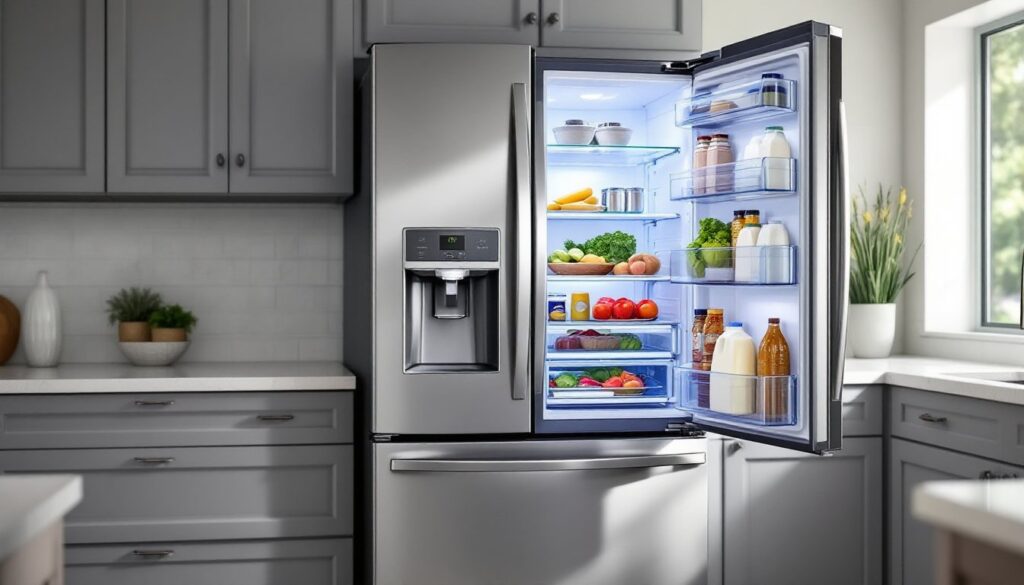
Shopping for a refrigerator isn’t like picking a hammer. You’re committing to a major appliance that’ll run 24/7 for the next decade-plus, so getting it right matters. GE has been manufacturing refrigerators for over a century, but longevity doesn’t automatically mean quality. Some homeowners swear by their GE units, while others have faced compressor failures and temperature inconsistencies. This guide cuts through the marketing language to examine what GE refrigerators actually deliver in 2026, covering standout models, real-world reliability data, and how they stack up against competitors like Whirlpool, LG, and Samsung.
Table of Contents
ToggleKey Takeaways
- GE refrigerator reviews consistently highlight temperature consistency and superior parts availability, with dual evaporator models keeping fresh and frozen compartments at optimal conditions without cross-contamination.
- The GE Profile PFE28KYNFS leads GE refrigerator choices for mid-to-premium buyers with hands-free autofill and LED lighting, while the GTS18GTHWW top-freezer remains reliable for budget shoppers seeking 15+ years of service.
- Ice maker failures are GE’s most common service issue, costing $150-$250 per repair, while 2018-2021 french door models experienced elevated compressor failure rates that prompted warranty extensions from the manufacturer.
- GE domestically manufactures most components, enabling faster OEM replacement parts shipment compared to competitors like Samsung, which is critical for out-of-warranty repairs.
- When comparing GE refrigerators to LG and Whirlpool, GE offers thicker insulation (2.5-inch walls) for better energy efficiency and more reliable temperature management, though LG provides more technology features at similar price points.
- Current 2024-2026 GE models show measurably improved reliability after switching to scroll compressors, making newer units safer purchases than discounted older stock from previous generations.
Why GE Refrigerators Stand Out in Today’s Market
GE Appliances (now owned by Haier) maintains three primary refrigerator lines: standard GE, GE Profile, and the premium Café series. Each targets a different price point and feature set, which gives homeowners flexibility without jumping to another brand.
The Profile line hits a sweet spot for most renovators. These units include WiFi connectivity, adjustable door bins, and dual evaporators that maintain separate climates for fresh and frozen compartments. That last feature isn’t just marketing, it prevents freezer burn and keeps produce crisper longer because air doesn’t migrate between zones. Many built-in refrigerator models from competitors lack this dual-system approach at similar price points.
GE also manufactures most components domestically, which simplifies parts availability when repairs are needed. If a door gasket tears or an ice maker fails, replacement parts typically ship within days rather than weeks. This becomes critical past the warranty period when you’re paying out-of-pocket.
That said, is GE a good refrigerator brand overall? The answer depends on the specific model. Their budget top-freezer units deliver solid performance for the price, but some mid-tier french door models have documented compressor issues between years 3-6 of ownership. We’ll address those reliability concerns in detail later.
Top-Rated GE Refrigerator Models for 2026
Best French Door Options
The GE Profile PFE28KYNFS (27.7 cu. ft.) leads GE profile refrigerator reviews for good reason. It includes hands-free autofill for water dispensing, a full-width drawer with precise temperature control, and LED lighting that actually illuminates the back corners. Retail runs around $2,800-$3,200 depending on finish (slate, stainless, or black stainless).
Key specs: 36-inch width, counter-depth design, and Energy Star certified with estimated annual operating cost of $67. The compressor on this generation uses R600a refrigerant (isobutane), which is more environmentally friendly than older HFC formulations and runs quieter, typically under 40 decibels during normal cycling.
For tighter budgets, the GE GNE27JYMFS (26.7 cu. ft.) drops the autofill and WiFi but keeps the dual evaporator system. It typically sells for $1,900-$2,300 and fits standard 36-inch openings without cabinet modifications. The ice maker produces about 3 pounds per day, which is adequate for most households but won’t keep up with party demand.
Side-by-Side and Top-Freezer Models Worth Considering
The GE GSS25IYNFS side-by-side (25.4 cu. ft.) works well in kitchens where door swing clearance is tight. At 36 inches wide with 17.5-inch door swing, it requires less floor space than french door models. External dispenser provides crushed ice, cubed ice, and filtered water. Pricing sits around $1,600-$1,900.
One caveat: side-by-side configurations limit shelf width. You won’t fit a full-size sheet cake or pizza box on a single shelf, something to consider if you regularly handle large platters.
For no-frills reliability, the GE GTS18GTHWW top-freezer (17.5 cu. ft.) remains a workhorse. No ice maker, no WiFi, no fancy lighting, just consistent cooling in a 30-inch wide footprint. It retails for $650-$800, uses about $50 in electricity annually, and typically runs 15+ years with minimal service. Adjustable wire shelves are easy to reposition but lack the spill-containment of glass shelves found in pricier models.
Common Pros and Cons Based on Real Owner Experiences
Pros homeowners consistently report:
• Temperature consistency. Most GE models hold ±2°F variance in both compartments, which meets FDA guidelines for food safety (40°F or below for fresh, 0°F for frozen). Dual evaporator models perform even better.
• Parts availability. When a water filter housing cracks or a crisper drawer breaks, OEM replacements are stocked at most appliance supply shops. Third-party parts from manufacturers like ERP also fit many GE units, cutting replacement costs by 30-50%.
• Straightforward controls. Many newer smart kitchen appliances bury basic functions in app menus. GE’s control panels still use physical buttons for temperature adjustment and mode selection, which means you’re not fumbling with a touchscreen when your hands are wet.
Cons that appear in multiple owner reviews:
• Ice maker reliability. This is the #1 service call for GE refrigerators. The auger motor and fill valve fail more frequently than on LG or Whirlpool equivalents. Budget $150-$250 for a service call if the ice maker quits outside warranty.
• Compressor failures on specific models. 2018-2021 french door models using linear compressors saw higher-than-normal failure rates between years 3-6. GE extended warranties on affected serial numbers, but some owners still reported out-of-pocket repair costs of $600-$900. Always verify compressor type and warranty coverage when buying used or discounted units.
• Plastic interior components. Door bins and drawers on budget models crack more easily than similar components from Frigidaire or Maytag. If you regularly load door bins with gallon milk jugs, inspect for stress cracks annually.
GE refrigerator reliability improved measurably in 2024-2026 models after switching compressor suppliers. Current production units use more robust scroll compressors with lower failure rates, but it’s too early for long-term data.
How GE Compares to Other Major Refrigerator Brands
GE vs. Whirlpool: Both offer solid mid-range options, but Whirlpool edges ahead on ice maker durability. GE counters with better temperature management in dual-evaporator models. Price-to-feature ratio is nearly identical, expect to pay $1,800-$3,000 for comparable 25-27 cu. ft. french door units from either brand.
GE vs. LG: LG refrigerators typically include more tech features (door-in-door access, InstaView panels) at similar price points. But, appliance testing data shows LG compressors ran hotter under sustained load in independent lab tests. GE Profile models also use thicker insulation (2.5-inch walls vs. LG’s 2.0-inch on comparable units), which improves energy efficiency and reduces external cabinet heat.
GE vs. Samsung: Samsung wins on aesthetics, their Family Hub displays and customizable panel options appeal to design-focused homeowners. But Samsung’s service network is thinner outside major metro areas. If you live rural and a control board fails, you might wait 2-3 weeks for an authorized tech. GE parts ship faster and independent appliance repair shops stock common components.
GE vs. Frigidaire: Frigidaire undercuts GE on price by $200-$400 for similar capacity. You sacrifice build quality, thinner door gaskets, lighter shelving, louder operation. For a rental property or budget kitchen, Frigidaire makes sense. For a primary residence you’ll keep 10+ years, GE’s construction holds up better.
Bottom line: GE sits in the “reliable middle”, not the flashiest option, not the absolute cheapest, but consistently delivers on core refrigeration functions without the service headaches that plague some competitors.
Conclusion
GE refrigerators earned their reputation through decades of consistent performance, not marketing gimmicks. The Profile line offers the best balance of features and reliability for most homeowners, while budget top-freezer models remain workhorses for cost-conscious buyers. Watch for compressor warranty details on any used units from 2018-2021, and plan for eventual ice maker service on any model. Overall, GE delivers dependable cooling without the premium price tags, exactly what most DIY-focused homeowners need.