If you’re shopping for a refrigerator that blends European design with pro-grade performance, Forno is probably on your radar. This Italian-engineered brand has carved out a niche in the North American market by offering high-end features, dual compressors, stainless interiors, and counter-depth profiles, at a lower price point than legacy luxury names. But before you commit to a Forno refrigerator, you’ll want to know how it stacks up on installation, real-world reliability, and whether its feature set matches your kitchen’s workflow. This guide walks through model types, core technology, install prep, and maintenance so you can decide if Forno’s cooling prowess fits your home.
Table of Contents
ToggleKey Takeaways
- Forno refrigerators feature dual-compressor cooling systems with independent temperature control for fridge and freezer compartments, a pro-grade feature typically found in luxury brands at half the price.
- Counter-depth design and stainless steel interiors make Forno refrigerators ideal for modern kitchens, though installation requires precise measurements including 1 inch of rear clearance and proper electrical grounding.
- At $3,500–6,500, a Forno refrigerator offers European engineering and integrated styling at a middle price point between mass-market and ultra-luxury brands like Sub-Zero.
- Regular maintenance—including quarterly condenser coil vacuuming, semi-annual filter replacements, and monthly door gasket checks—keeps your Forno refrigerator operating efficiently and under warranty.
- Panel-ready models let you customize the exterior with matching cabinetry, but require additional fabrication costs and careful hinge load rating verification for added door weight.
- Forno’s smaller service network means warranty repairs may take 7–14 days, so verify a certified technician operates within 50 miles before purchasing.
What Makes Forno Refrigerators Stand Out?
Forno built its reputation on dual-compressor cooling systems, a feature traditionally reserved for brands charging twice the price. One compressor handles the refrigerator compartment, the other manages the freezer. This setup prevents odor transfer between zones and allows independent temperature and humidity control, critical if you’re storing fresh herbs alongside frozen meat.
The brand leans heavily into stainless steel interiors rather than plastic-lined bins. Stainless resists staining, doesn’t absorb odors, and holds temperature more consistently than polymer alternatives. You’ll also find commercial-grade hinges and full-extension drawers on most models, components borrowed from professional kitchen equipment.
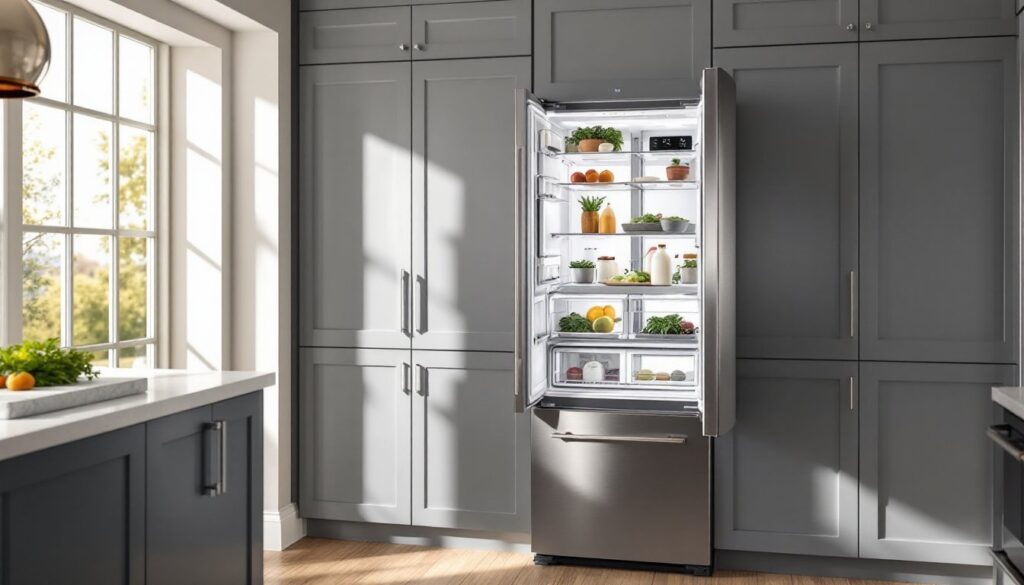
Forno refrigerators ship with counter-depth cabinets as the default profile, so they sit flush with standard 24-inch base cabinets without protruding into walkways. This makes them a natural fit for galley kitchens or open-plan layouts where a bulky fridge disrupts sightlines. Most units measure 83–84 inches tall, so confirm ceiling clearance and account for the ¼-inch gap required for ventilation at the top and sides before ordering.
Forno Refrigerator Models and Configurations
Forno’s lineup centers on built-in and panel-ready models, with capacities ranging from 18 to 36 cubic feet. The brand doesn’t manufacture freestanding budget units, every model assumes you’re integrating it into cabinetry or want a seamless look.
French Door and Side-by-Side Options
French door models dominate Forno’s catalog. The most common configuration pairs two upper fridge doors with a bottom freezer drawer. Widths run 30, 33, and 36 inches, with the 36-inch variant offering around 22 cubic feet of combined storage. Shelf layout typically includes three to four adjustable glass shelves, two humidity-controlled crisper drawers, and door bins sized for gallon jugs.
Side-by-side models split the unit vertically, fridge on one side, freezer on the other. Forno’s side-by-side units are narrower, around 42 inches wide, and better suited to kitchens where door swing is limited. Freezer capacity on these models is generous (often 8–10 cubic feet), which appeals to bulk shoppers or hunters storing game.
Panel-ready versions ship without exterior finish, allowing you to mount custom cabinetry panels that match your kitchen. This requires ordering ¾-inch hardwood or MDF panels cut to Forno’s specified dimensions, usually provided in the install manual. If you’re going this route, factor in an extra $300–600 for panel fabrication and hardware.
Key Features and Technology in Forno Refrigerators
Dual evaporators work in tandem with the dual compressors to maintain separate airflows. The fridge evaporator cycles more frequently to preserve humidity for produce: the freezer evaporator runs drier to prevent ice buildup. This is why Forno units rarely require manual defrosting, even in humid climates.
Sabbath mode is standard across the line. This feature disables interior lights, alarms, and display readouts while keeping cooling active, a requirement for observant households during religious holidays.
Most models include air filtration cartridges (typically activated carbon) that reduce ethylene gas and odors. Replace these every six months for best results: replacements run about $25–35 each.
Temperature control is handled via digital touchpads or rotary dials, depending on the series. The digital versions allow precise 1-degree Fahrenheit adjustments and display real-time compartment temps. Rotary models use a 1–7 scale, less granular but more intuitive if you don’t want to fiddle with settings.
LED lighting is perimeter-mounted rather than centered, which reduces shadows in deep shelves. When comparing top refrigerator models, Forno’s lighting layout consistently scores well for visibility during late-night fridge raids.
Ice makers are optional or included depending on the model. Built-in versions produce crescent-shaped cubes at a rate of 3–4 pounds per day. If your household needs more, plan to install a secondary under-counter ice maker rather than relying solely on the fridge unit.
Installation Considerations for Your Forno Refrigerator
Forno refrigerators require dedicated 115V, 15-amp circuits, same as most residential fridges. Don’t share the circuit with microwaves, dishwashers, or other high-draw appliances. If you’re replacing an older unit, confirm your existing outlet is grounded and code-compliant per NEC Article 422.
Water line connections (for ice makers and water dispensers) use ¼-inch copper or braided stainless supply line. Run the line from your nearest cold-water shutoff, typically under the sink. Use a saddle valve or install a proper tee fitting, saddle valves are easier but prone to leaks over time. Shut off the main water supply before cutting into any pipe.
Counter-depth installation demands precise measurements. Forno specifies 1 inch of clearance at the back for condenser airflow and ¼ inch on each side for door swing. If you’re boxing the unit into a cabinet run, build a shallow recess in the back panel to accommodate hoses and the power cord without crimping.
Panel-ready models require mounting hardware (usually 8–12 screws per door) to attach custom panels. The panels add weight, so confirm hinges are rated for 50+ pounds per door. Some installers add a support bracket beneath the lower door to prevent sagging.
Delivery typically includes threshold drop-off only. Most Forno units weigh 300–400 pounds, so arrange for a two-person crew to uncrate, position, and level the unit. Use a 6-foot appliance dolly and furniture sliders to maneuver it into place without scratching floors.
Leveling is non-negotiable. Use a 24-inch torpedo level on the top surface and adjust the front leveling feet until the bubble centers. A level fridge ensures doors self-close and prevents compressor strain.
Maintenance Tips to Keep Your Forno Running Smoothly
Condenser coils sit behind the lower kick plate or rear panel. Vacuum them every three months using a coil brush attachment or a narrow crevice tool. Dust buildup forces the compressor to work harder, shortening its lifespan and spiking energy use. Pet owners in shedding season should check monthly.
Door gaskets (the rubber seals around the door perimeter) should be wiped down with warm water and mild dish soap every few weeks. Crumbs and sticky residue prevent a tight seal, letting cold air escape. Test the seal by closing the door on a dollar bill, if you can pull it out easily, the gasket needs adjustment or replacement.
Drain pans and tubes collect defrost water and route it to an evaporator tray beneath the unit. If you notice water pooling inside the fridge or a musty smell, the drain tube is likely clogged. Flush it with a turkey baster filled with hot water and a capful of bleach. This task lives in the “once a year” column unless you’re in a high-humidity zone.
Replace water filters every six months or per the indicator light. Forno filters are usually twist-in cartridges located in the upper-right interior corner. Aftermarket filters are available, but stick with OEM-spec models to maintain warranty coverage.
Interior surfaces clean easily with stainless steel cleaner (for metal bins) and glass cleaner (for shelves). Avoid abrasive pads, which scratch stainless and leave it vulnerable to rust. For kitchen organization ideas that reduce spills and make cleaning easier, consider drawer liners and labeled bins.
Sabbath mode, air filters, and ice maker cycles should be reviewed annually in the user manual. Some models require a manual reset after power outages: others store settings in non-volatile memory.
Is a Forno Refrigerator Right for Your Kitchen?
Forno makes the most sense if you’re renovating a kitchen and want integrated European styling without the $8,000–12,000 price tag of Sub-Zero or Miele. Street prices for Forno models range $3,500–6,500 depending on size and features, a significant step up from big-box brands but more accessible than ultra-luxury competitors.
The dual-compressor system appeals to serious home cooks who store delicate produce and need independent climate zones. If you’re mostly keeping leftovers and beverages cold, a single-compressor unit will do the job for less money.
Service network is smaller than mainstream brands. Forno contracts with independent appliance repair techs rather than maintaining dedicated service centers, so turnaround for warranty repairs can stretch to 7–14 days depending on your region. Before buying, confirm there’s a certified Forno technician within 50 miles of your home.
Energy consumption averages 600–700 kWh per year for a 22-cubic-foot model, which lands in the middle of the Energy Star range. You won’t see dramatic savings versus a comparably sized LG or Samsung, but you won’t pay a penalty either.
Panel-ready models are ideal for custom kitchen builds where appliances disappear behind cabinetry. If you’re keeping a traditional appliance-forward layout, the stainless and black stainless finishes Forno offers are clean but not particularly distinctive, expect a look similar to mid-tier Bosch or KitchenAid models.
Many expert refrigerator reviews position Forno as a bridge brand: more robust than mass-market options, less costly than heritage luxury names, and well-suited to homeowners who prioritize function over brand cachet.