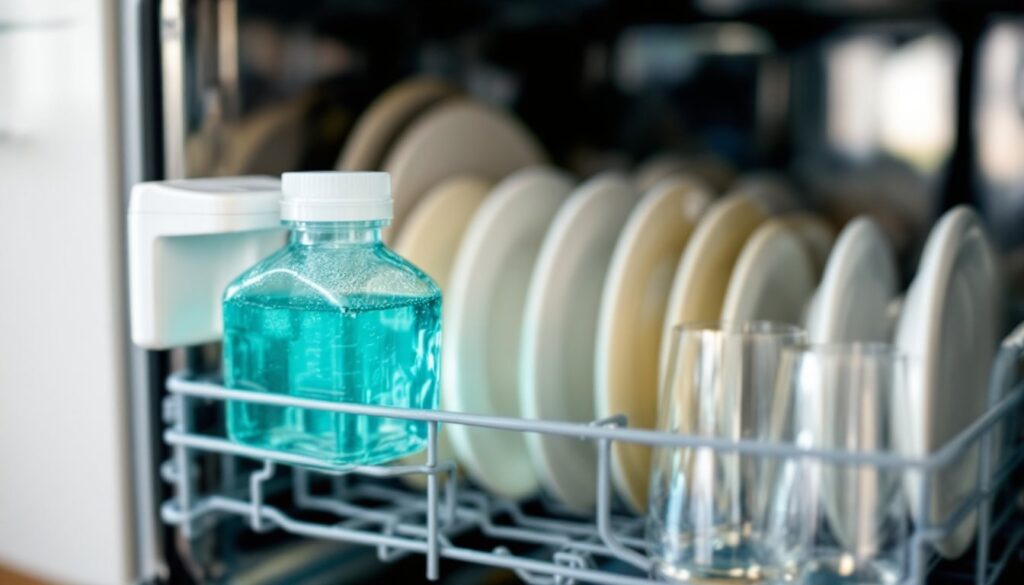
If you’re tired of rewashing dishes after they come out of the dishwasher, the problem might not be your machine, it could be your detergent. Cascade dishwasher liquid has been a household staple for decades, but with new formulations and product variations hitting the market, knowing which type to use and how to use it properly makes all the difference between spotless glassware and streaky plates. This guide walks through everything homeowners need to know about cascade liquid dishwasher detergent, from how it works to troubleshooting common problems that can leave dishes looking worse than when they went in.
Table of Contents
ToggleKey Takeaways
- Cascade dishwasher liquid works through surfactants, enzymes, and chelating agents that dissolve quickly to break down grease, food residues, and mineral deposits more effectively than powders.
- Proper dosing, adequate water temperature (120–125°F), and correct dispenser use are essential—never pre-rinse dishes or pour cascade dishwasher gel loose in the tub, as enzymes need food particles to work on.
- Overloading your dishwasher and skipping maintenance like filter cleaning and spray arm checks undermine detergent performance more often than the product itself.
- Hard water areas benefit most from cascade liquid formulations with built-in rinse aids, which reduce spotting better than powders, while liquid offers superior dosing flexibility compared to pre-measured pods.
- Common issues like cloudy glassware, streaks, or residue are usually solved by adjusting detergent amount, adding rinse aid, or raising water heater temperature—rarely requiring a product switch.
What Is Cascade Dishwasher Liquid and How Does It Work?
Cascade dishwasher liquid is a concentrated liquid detergent formulated specifically for automatic dishwashers. Unlike hand dishwashing soap, which creates excessive suds that can damage dishwasher pumps and seals, this formula works in low-water, high-heat environments without foaming.
The active ingredients include surfactants that break down grease and food particles, enzymes (typically protease and amylase) that target protein and starch residues, and chelating agents that bind to minerals in hard water to prevent white film buildup. The liquid format allows these components to dissolve quickly in the pre-wash cycle, giving them more time to work on stuck-on food compared to slower-dissolving powders.
Most cascade dishwasher gel formulations also include rinse aids that reduce water surface tension, helping water sheet off dishes instead of beading up and leaving spots. This is especially important in areas with hard water, where mineral deposits compete with detergent effectiveness. The pH level typically ranges between 10-12 (alkaline), which helps break down fats and oils but requires proper dosing, too much can etch glassware over time, while too little leaves dishes dirty.
Different Types of Cascade Dishwasher Liquid Products
Cascade offers several liquid dishwasher detergent formulations, each designed for specific cleaning needs and water conditions.
Cascade Complete Gel is the standard all-purpose option, effective for everyday loads with moderate food residue. It contains built-in grease-fighting agents and works in most water hardness levels without additional rinse aid, though hard water areas may still benefit from supplemental rinse aid in the dispenser.
Cascade Platinum Gel adds extra degreasing power and Dawn dish soap components specifically for baked-on messes. This formulation costs roughly 20-30% more than the standard gel but uses slightly higher enzyme concentrations. It’s worth the upgrade if you frequently run heavily soiled pots and pans through the dishwasher rather than hand-washing them first.
Cascade Free & Clear omits dyes and fragrances for households with sensitive skin or scent allergies. The cleaning performance matches the standard gel, but it won’t leave any residual perfume smell on dishes, something to consider if you’ve noticed a soapy taste on glassware after washing.
Bottle sizes range from 45-ounce containers (approximately 30 loads) to 155-ounce bulk sizes (100+ loads). Larger bottles offer better value per load but require more storage space under the sink. Check the manufacturing date stamped on the bottom: cascade dishwasher gel maintains peak effectiveness for about 15 months from production before enzymes start degrading.
How to Use Cascade Dishwasher Liquid for Best Results
Using cascade liquid dishwasher detergent correctly starts with proper dosing. Most dishwashers have fill lines in the detergent cup: fill to the line for normal loads, and use the pre-wash cup only for heavily soiled dishes. One tablespoon (approximately 15 mL) is the standard dose for soft to moderately hard water. Hard water areas may need 1.5 tablespoons, but going beyond that wastes detergent and increases residue risk.
Pour the gel directly into the detergent dispenser cup, never pour it loose in the bottom of the dishwasher tub. The dispenser releases detergent at the optimal point in the wash cycle, after the pre-rinse removes loose debris. Pouring detergent in the tub means it washes away during the first drain before the main wash cycle begins.
Water temperature matters significantly. The dishwasher’s internal heater should bring water to at least 120°F for enzymes to activate properly. If dishes come out with food still stuck on, check your water heater setting, many are factory-set to 110-115°F to prevent scalding, which is too cool for optimal dishwasher performance. Raising it to 120-125°F improves cleaning without creating a safety hazard (dishwashers mix cold water to moderate the temperature).
Don’t pre-rinse dishes under the tap. Modern dishwasher detergents, including Cascade, are formulated to work on food particles. Completely clean dishes actually prevent the detergent from working correctly because enzymes need something to latch onto. Scrape off large chunks, but leave the sauce residue and food film, that’s what the detergent is designed to handle.
Common Mistakes to Avoid When Using Dishwasher Liquid
Overloading the dishwasher is the most frequent error that undermines even the best detergent. Water spray needs to reach all surfaces: if plates are stacked too close together or large pots block the spray arm rotation, detergent can’t do its job. Run your hand along the top spray arm while the door is open to ensure nothing obstructs its path.
Using expired or improperly stored detergent reduces cleaning power. Cascade dishwasher gel should be stored in a cool, dry location away from temperature extremes. Garages and unheated basements that drop below freezing can cause the gel to separate, while excessive heat (above 90°F) degrades enzymes. If the gel has changed color, separated into layers, or developed an off smell, replace it.
Mixing detergent types in the same load creates problems. Don’t combine cascade dishwasher liquid with powder or pods in an attempt to “boost” cleaning. Each format is chemistry-balanced to work alone, and combining them can create excessive sudsing or leave film. If switching from powder to liquid, run one empty cycle with a cup of white vinegar in the bottom to clear any powder residue from the dispenser and lines.
Skipping regular dishwasher maintenance means even premium detergents underperform. Clean the filter at the bottom of the dishwasher monthly, food debris trapped there reduces water circulation and cleaning effectiveness. Wipe down the door gasket and run a dishwasher cleaner through an empty cycle every three months to remove mineral buildup and detergent residue from interior surfaces and spray arms. Many performance issues blamed on detergent are actually caused by clogged spray arm holes or a dirty filter restricting water flow.
Cascade Dishwasher Liquid vs. Pods and Powder: Which Is Right for You?
Each detergent format has advantages depending on water conditions, dishwasher type, and household needs. Cascade liquid offers the most dosing flexibility, you can adjust the amount based on load size and soil level, which prevents waste on lightly soiled loads and provides extra cleaning power for heavily soiled ones. This makes it more economical for households that run varied load types.
Pods and tablets deliver convenience and pre-measured consistency. Testing by cleaning experts shows pods often outperform liquids on baked-on foods because they contain compressed, highly concentrated detergent plus built-in rinse aid and sometimes even dishwasher cleaner. But, that pre-measured dose can’t be adjusted, you’re using the same amount whether washing four plates or a full load of pots and pans.
Powder detergent is the most economical per load and allows the same dosing flexibility as liquid, but it doesn’t dissolve as quickly in short cycles or cooler water. Modern dishwashers with quick-wash cycles (under 90 minutes) work better with liquid or pods that dissolve immediately.
For hard water areas, liquid formulations that include rinse aids provide better results than basic powders, which lack the surface-tension-reducing agents needed to prevent spotting. Soft water areas can use any format effectively, though liquid still offers the advantage of precise dosing.
Cost comparison (as of April 2026, prices vary by region and retailer): Cascade liquid averages $0.16-$0.22 per load in bulk sizes, powder runs $0.12-$0.18 per load, and pods cost $0.28-$0.38 per load. For a household running one load daily, that’s roughly $60-$80 annually for liquid, $45-$65 for powder, and $100-$140 for pods. The higher pod cost buys convenience and potentially better performance on tough messes, but liquid provides the best balance of cost, flexibility, and effectiveness for most homes.
Troubleshooting Issues with Cascade Dishwasher Liquid
White film or cloudy glassware indicates either hard water mineral deposits or too much detergent. Try reducing the amount of cascade dishwasher gel by half for two cycles. If that doesn’t help, the issue is likely hard water, add a rinse aid to the dispenser and consider running a dishwasher cleaner cycle to remove existing buildup. For persistent problems, install a whole-house water softener or use a detergent formulated specifically for hard water.
Streaks or spots on dishes usually mean insufficient rinse aid. Even cascade liquid dishwasher detergent formulations with built-in rinse aid may need supplemental rinse aid in the dispenser for very hard water or if your dishwasher has a rinse aid light. Fill the rinse aid dispenser to the recommended level and adjust the dispenser setting (usually 1-5) based on results, start at 3 and increase if spotting continues.
Detergent residue on dishes happens when the detergent cup doesn’t open properly, the water isn’t hot enough, or you’re using too much product. Check that nothing blocks the detergent cup door and that the cup latch clicks firmly shut. Verify water temperature reaches at least 120°F by running hot water at the sink nearest the dishwasher for 30 seconds before starting a cycle. Reduce detergent amount by 25% and observe results.
Poor cleaning performance even though proper dosing usually traces back to mechanical issues, not detergent quality. Remove the lower spray arm (usually just twists off) and check that all holes are clear, use a toothpick to dislodge any debris. Inspect the filter and clean if needed. Ensure you’re loading dishes according to manufacturer guidelines, plates should face the center, bowls angled downward, and nothing should nest together preventing water penetration.
Gel separation in the bottle can occur with temperature fluctuations. Shake the bottle thoroughly before each use to recombine separated components. If the gel has completely separated into liquid and solid layers that won’t remix, or if it’s turned an unusual color, the product has likely degraded and should be replaced.
Excessive sudsing is rare with dishwasher-specific detergent but can happen if hand dish soap was used previously or if the rinse aid dispenser is overfilled. If suds leak from the door, stop the cycle immediately, scoop out as much water and foam as possible, and sprinkle salt on remaining suds to break them down. Run a rinse cycle, then check the rinse aid dispenser, it should be filled only to the max line, and older residue should be wiped out before refilling.
Conclusion
Cascade dishwasher liquid delivers reliable cleaning performance when used correctly, proper dosing, adequate water temperature, and regular dishwasher maintenance make the difference between spotless results and frustration. Match the product type to your water hardness and typical load soil level, avoid common mistakes like overloading or pre-rinsing, and troubleshoot issues systematically before blaming the detergent. With these fundamentals in place, that bottle under the sink will handle everything from weeknight dinner plates to holiday cookware without requiring a second wash.