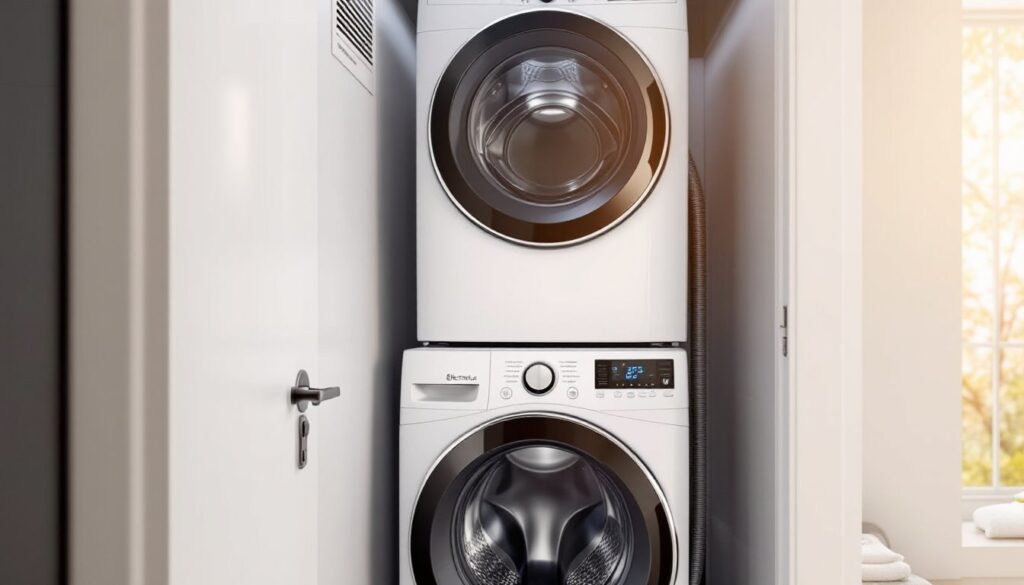
Living in a condo, apartment, or smaller home doesn’t mean settling for trips to the laundromat. An Electrolux stackable washer and dryer offers full-size cleaning power in a vertical footprint that frees up precious floor space. These units combine European design with practical engineering, making them a solid pick for anyone juggling limited square footage with serious laundry needs. This guide walks through model options, standout features, installation planning, and upkeep, everything needed to choose and maintain a stackable system that actually fits your space and routine.
Table of Contents
ToggleKey Takeaways
- An Electrolux stackable washer and dryer delivers full-size cleaning power in a vertical footprint, saving 30 to 36 inches of floor space compared to side-by-side placement and fitting into closets or tight laundry nooks.
- Front-load Electrolux stackable units use 13 to 15 gallons of water per load versus 20+ gallons in top-loaders, cutting utility bills significantly over a 10 to 15-year lifespan.
- Key features like LuxCare Wash System, Perfect Steam, Sanitize cycles, and moisture sensors deliver better stain removal, reduce wrinkles, eliminate bacteria, and prevent over-drying that shortens fabric life.
- Proper installation requires a dedicated 120V outlet for the washer and either 240V or gas line for the dryer, plus a model-specific stacking kit bolted securely—never improvise with generic hardware.
- Monthly maintenance including door gasket cleaning, lint trap inspection before every load, and annual vent duct cleaning are essential to prevent mold, ensure efficiency, and reduce fire hazards.
- Smart Wi-Fi-enabled models let you start, pause, monitor cycles remotely, and receive alerts when loads finish, adding convenience for busy households juggling multiple responsibilities.
Why Choose an Electrolux Stackable Washer and Dryer?
Electrolux stackable units solve two pain points at once: they fit into closets and tight laundry nooks, and they deliver front-load efficiency without sacrificing drum capacity. Most models offer a 4.3 to 4.5 cubic-foot washer paired with an 8.0 cubic-foot dryer, which handles everything from bedding to work clothes in one cycle.
Unlike some budget stackables that force you into a 24-inch width, many Electrolux models measure 27 inches wide, matching standard front-loaders. That means real drum volume and shorter run times. The front-load design uses less water and detergent per load, typically 13 to 15 gallons compared to 20+ gallons in older top-loaders, which cuts utility bills over the appliance’s 10- to 15-year lifespan.
Electrolux also integrates adaptive wash technology that weighs each load and adjusts water, detergent, and cycle time on the fly. This isn’t marketing fluff: it means fewer re-wash cycles and less fabric wear. If you’ve dealt with unbalanced loads or over-sudsing in the past, these sensors reduce those headaches.
Stacking saves roughly 30 to 36 inches of floor space compared to side-by-side placement. For renters or first-time homeowners working with a closet-depth laundry area, that difference can mean the unit fits or doesn’t. Just verify ceiling height, stacked, the top of the dryer sits around 76 to 80 inches depending on the model and stacking kit.
Top Electrolux Stackable Models to Consider in 2026
The ELFW7637AT washer and ELFE7637AT dryer pair remains a workhorse in 2026. The washer offers a 4.4 cu. ft. drum, 9 wash cycles (including Sanitize and Perfect Steam options), and SmartBoost technology that premixes water and detergent before it hits fabric. The matching dryer uses a moisture sensor and Instant Refresh cycle to dewrinkle hanging clothes without a full wash. Both are Energy Star certified and run quieter than many competitors, around 50 decibels during the spin cycle.
For tighter budgets, the ELFW4427AW washer and ELFE4227AW dryer drop a few premium cycles but keep the same 27-inch width and stacking compatibility. You lose the steam function and some smart-home integration, but the core wash performance and capacity stay strong. Expect around 15% lower upfront cost compared to the 7637 series.
If smart connectivity matters, look at models with Perfect Steam and Wi-Fi capability. The app lets you start, pause, or monitor cycles remotely and sends alerts when a load finishes. It’s genuinely useful if you’re juggling errands and want to move wet clothes before they sit and mildew. Many top-rated smart washers and dryers now include similar features, but Electrolux’s interface stays straightforward without clutter.
All current Electrolux stackables use a reversible door on the washer, so you can swing it left or right to match your room layout. That’s a small detail that prevents installation headaches down the line.
Key Features That Set Electrolux Apart
LuxCare Wash System is Electrolux’s term for the combination of spray jets, drum pattern, and wash-action algorithm. In practice, it means fewer tangled loads and better stain removal on cottons and synthetics. The drum uses a wave pattern instead of straight paddles, which lifts clothes higher during agitation without beating fabric to death.
Perfect Steam injects steam at precise points in the wash or dry cycle. On the washer side, it activates before the main wash to loosen stains. On the dryer, it reduces wrinkles and freshens clothes that have been hanging in a closet. This isn’t a gimmick, steam cycles legitimately cut down on ironing for dress shirts and slacks.
The Sanitize cycle heats water to over 150°F and holds it there long enough to kill common bacteria and allergens. Useful for bedding, kitchen towels, or anything that’s been in contact with illness. Not every load needs it, but when you do, it’s faster and less harsh than bleach.
Moisture sensors in the dryer monitor humidity in real time and stop the cycle when clothes hit the target dryness. This prevents over-drying (which shortens fabric life) and under-drying (which leads to mildew). According to testing by CNET, advanced moisture sensing can save 10 to 20% energy per load compared to timed drying.
Electrolux also builds in a 15-minute Quick Wash and a 20-minute Quick Dry for small, lightly soiled loads. These aren’t replacements for deep cleaning, but they’re handy when you need a single outfit or a set of towels in a hurry.
Noise dampening matters more in stackable setups, since the dryer sits at ear level. Electrolux uses anti-vibration tech and sound insulation that keeps operation under 55 dB during high spin. For reference, normal conversation registers around 60 dB.
Installation Tips for Your Stackable Unit
Before you buy, confirm your space meets minimum clearances: 1 inch on each side, 1 inch at the back for hoses and venting, and at least 1 inch above the dryer for airflow. Those inches matter, without them, heat buildup shortens component life and trips thermal cutoffs.
You’ll need a dedicated 120V outlet for the washer and either a 240V outlet (electric dryer) or a gas line (gas dryer) depending on your model. Electric dryers pull 20 to 30 amps, so verify your breaker panel can handle the load. If you’re adding a circuit, hire a licensed electrician, this isn’t a DIY-friendly electrical job unless you have NEC experience.
Stacking kits are model-specific. Electrolux sells a bracket kit (usually around $100 to $150) that bolts the dryer to the washer’s top panel. Don’t skip it or improvise with generic hardware, an unsecured dryer will walk off the washer during spin cycles, damaging both units and potentially causing injury. The kit includes anti-slip pads and securing straps.
For venting, rigid metal duct is code in most jurisdictions and vastly outperforms flexible foil or vinyl. Run the shortest, straightest path possible to the exterior vent cap. Every 90-degree elbow adds roughly 5 feet of effective duct length, reducing airflow and drying efficiency. Keep total run under 25 feet for best performance. Clean the vent annually with a duct brush or hire a pro, lint buildup is a fire hazard.
Space Requirements and Measurements
Width: 27 inches (standard Electrolux stackables)
Depth: 32 to 34 inches from the wall (add duct and hose clearance)
Total stacked height: 76 to 80 inches (measure your ceiling, some closets won’t clear it)
Door swing: Plan for at least 24 inches in front so the door can open fully. Reversible hinges help if you’re tight on one side.
If your laundry nook has bifold or sliding doors, measure the opening width. Some stackables need the doors removed temporarily during install. A two-person lift is non-negotiable, washers weigh 180 to 220 pounds, dryers around 130 to 150 pounds. Use an appliance dolly with straps and protect your floors with cardboard or moving blankets.
Level the washer using the adjustable front legs and a bubble level. An unlevel washer vibrates excessively, triggers error codes, and wears out suspension components early. Check level side-to-side and front-to-back: aim for within 1 degree. Lock the legs with the provided jam nuts once you’re dialed in.
Maintenance and Care Best Practices
Run a cleaning cycle monthly using the washer’s Tub Clean function or a cup of white vinegar on the hottest setting. Front-loaders are prone to mold and mildew in the door gasket if water sits. After every load, leave the door cracked open for an hour to let moisture evaporate. Wipe the gasket with a dry cloth weekly.
Check and clean the lint trap in the dryer before every load. A clogged trap cuts efficiency by 20% or more and is the leading cause of dryer fires. Once a quarter, vacuum behind the trap housing with a crevice tool, lint migrates past the screen over time.
Inspect inlet hoses on the washer every six months. Replace rubber hoses with braided stainless-steel versions rated for burst pressure of 1,500 PSI or higher. Standard rubber hoses fail after 3 to 5 years: steel-braided versions last 10+. A burst hose can dump hundreds of gallons into your home before you notice.
Use HE (high-efficiency) detergent only. Regular detergent creates excess suds that confuse sensors, leave residue, and can void warranties. HE detergent is concentrated, you need about 2 tablespoons per load, not the capful you might be used to. More isn’t better.
Every 12 months, clean the dryer vent duct end-to-end. Disconnect the unit, remove the duct, and use a vent brush kit (available at any hardware store for under $20). If the run is long or complex, hire a vent-cleaning service. Reviews on Tom’s Guide often highlight vent maintenance as the most overlooked factor in dryer longevity.
Error codes flash on the control panel when something’s off. Common ones: E11 (water fill issue, check inlet valves and hoses), E64 (heating problem, verify 240V power or gas supply), E54 (motor overload, usually from an unbalanced load). The user manual includes a full error-code chart. Don’t ignore codes: they’re early warnings that prevent bigger failures.
Descale the washer annually if you have hard water. Run an empty cycle with a commercial descaler or two cups of white vinegar. Hard-water buildup clogs jets and reduces wash effectiveness. If your area has water hardness above 180 ppm, consider a whole-home softener or inline filter.
Conclusion
An Electrolux stackable washer and dryer delivers full-capacity laundry performance without eating up floor space. Prioritize proper installation, level footing, secure stacking, code-compliant venting, and stick to a monthly maintenance rhythm. With the right setup and care, these units run quietly and efficiently for over a decade, making them a practical investment for anyone working with limited square footage.